MORN. / MORNING
Is Baikonur Worth Visiting? What Seeing a Rocket Launch Is Really Like
The sound of a launch, the crew’s departure and the history around them: find the Baikonur experience that matters to you.
Yes—Baikonur is worth visiting if seeing a rocket leave Earth is something you have always wanted to do. A launch gives the trip its focus. The people, places and preparations around it give the moment meaning.
For anyone planning a trip to Kazakhstan, Baikonur offers a rare combination: a working spaceport and the place where the first satellite and the first human began their journeys into space. You can connect a launch happening today with a story that changed the world.
It is a substantial trip to plan and pay for. The useful question is what would make it worthwhile for you: the launch itself, the history, a long-held dream, or sharing the experience with someone close to you.
What does a rocket launch feel like in person?
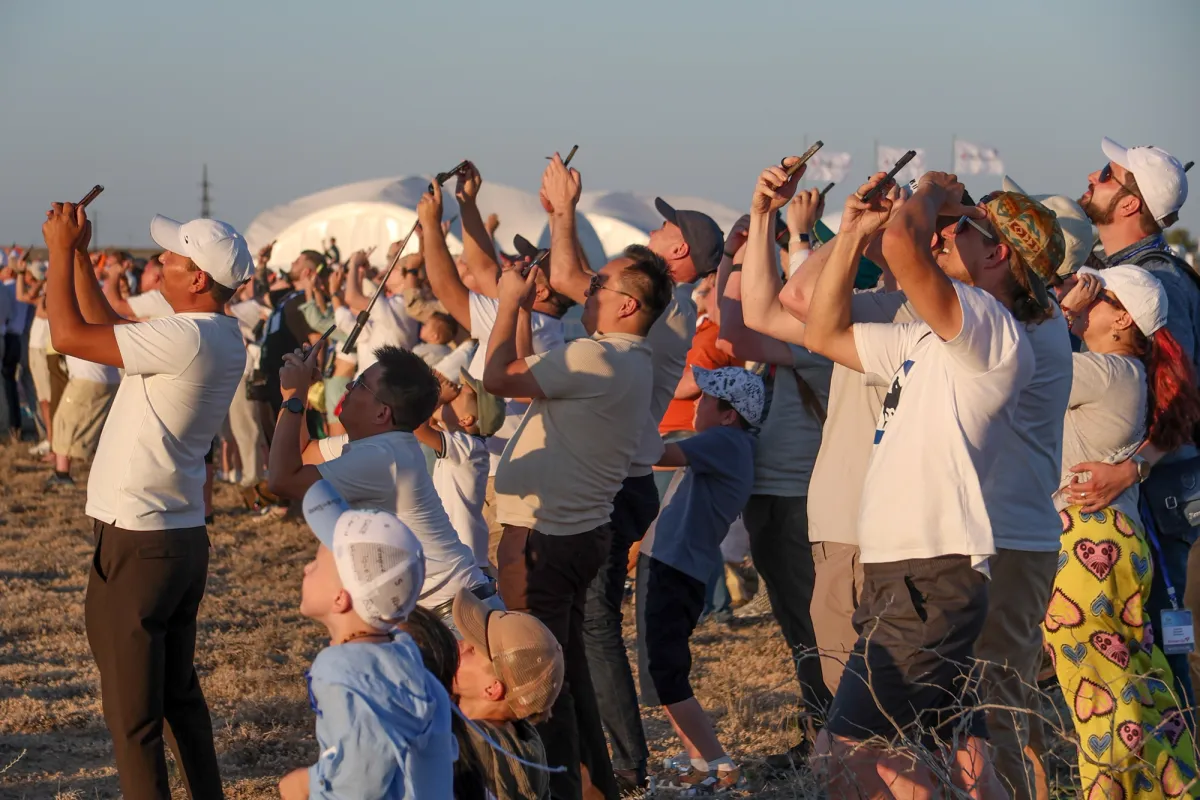
A live launch has a sense of distance and scale that a close-up video can hide. You watch from a designated viewing area, with the rocket, launch structures and open sky ahead of you. Then the scene begins to change: flame, smoke and a rocket rising above the ground.
In his account of a Baikonur visit, traveller Evgeny Burdyuzha describes seeing the rocket move before the sound reached him. When it arrived, he could feel it through his body.
That is one reason to travel for something you can also watch online. Being there adds the space around the rocket, the wait and the shared attention of everyone looking in the same direction. For a short time, a launch becomes something happening in front of you.
If photography is part of the appeal, our guide to photographing a Baikonur launch explains viewing positions and camera choices. Plan your shots in advance so you can also spend some time watching with your own eyes.
Why choose Baikonur for this experience?
Baikonur has a particular place in space history. Sputnik 1, the first artificial satellite, launched from here on 4 October 1957. On 12 April 1961, Yuri Gagarin left Site 1 and became the first human in space. ESA’s history of Baikonur traces both milestones.
These events were part of the Cold War space race between the Soviet Union and the United States. Visiting gives that history a physical setting: a launch site in the Kazakhstan steppe, with the buildings and engineering behind those achievements.
The current launch programmes include a visit to Gagarin’s Start, the historic Site 1. The Soyuz launch in these programmes is scheduled from Site 31 and is watched from a designated viewing area. These are different places within the same cosmodrome.
Our article on Baikonur, Gagarin and the space race tells the wider story. Knowing even a little of it gives the places you visit more meaning.
The people you see before the launch
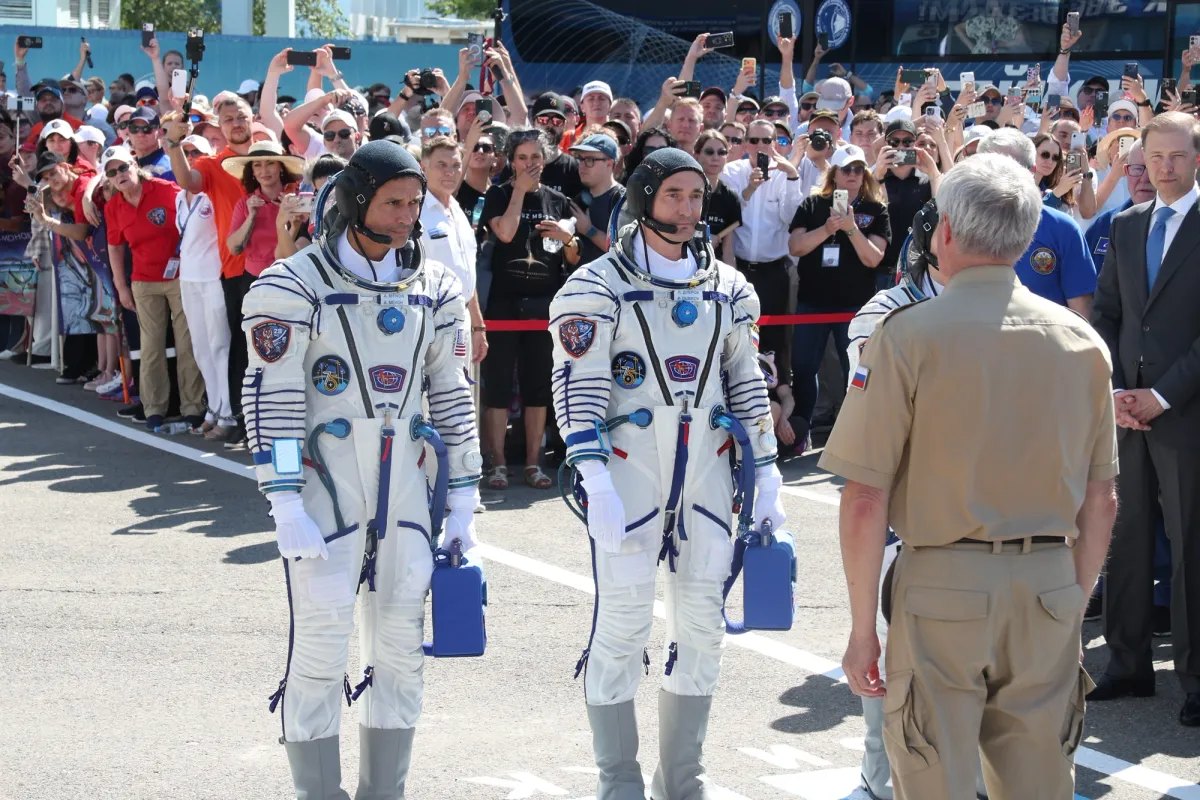
A crewed launch adds a human story. The current programmes include watching the cosmonauts leave their hotel and seeing the crew report to the State Commission before their flight.
In a 2024 interview with The Times of Central Asia, traveller Ric Gazarian recalled his 2018 visit. Interested in space since childhood, he was moved by seeing the crew board their bus: those people would soon be travelling into space.
It is a simple thought to carry into launch day: the spacecraft has people inside. Watching their preparations gives you a connection to the flight before the rocket leaves the ground.
Who is likely to find the trip worthwhile?
Someone with a long-held interest in space. Perhaps you followed missions as a child, read about Gagarin, or still stop to watch launch videos. Baikonur gives that interest a place on your travel calendar.
In a story published by S7 Media, Anna L. says five years passed between discovering Baikonur tours and making the trip. When her launch was postponed, she stayed two extra days to see it.
A traveller drawn to engineering and history. If you enjoy understanding how things work, the days around the launch matter too. A rocket’s journey from its assembly building to the launch pad can be as interesting as the moment it lifts off.
People who want to share an important experience. That might be a couple, friends, or a parent and child with a shared interest in space. Think about the full programme together: transfers, museum visits, time outdoors and waiting for events. A shared interest in those parts helps make the whole trip enjoyable.
You do not need specialist knowledge. Curiosity is enough: who built this, how does it work, and what does it take to send people into orbit?
Which Baikonur programme would suit you?
Start with the part of the experience that matters most to you. The current Baikonur programmes offer three ways to spend your time:
| Your main interest | Programme | What it includes |
|---|---|---|
| The launch and the crew’s preparations | 3 days | Arrival, launch day and departure, with the city museum, crew events and Gagarin’s Start in the programme. |
| The launch and more space history | 4 days | An additional cosmodrome excursion day, including the museum, the Buran exhibit, and the houses associated with Gagarin and Korolev. |
| The preparations as well as the launch | 6 days | The rocket rollout, its journey by rail and its raising into launch position, plus the cosmodrome excursion and a separate day in Baikonur city. |
The six-day programme is worth a close look if the engineering is what draws you here. Seeing a rocket travel horizontally by rail and then rise into position helps you understand the work behind the launch.
The four-day programme gives more time to the people and projects in Baikonur’s history. The three-day option suits a trip centred on launch day. Each programme page has its current dates, full itinerary, accommodation options and prices.
What should you know before you book?
A launch follows a real mission schedule, so its date can change. When planning your flights and time away, leave room for that possibility and check the organiser’s current arrangements for a postponement.
The programmes listed above begin with a meeting in Kyzylorda and include the onward transfer to Baikonur. Access is arranged in advance. Our guide to visiting Baikonur and watching a rocket launch explains the journey, passes, documents and viewing arrangements.