MORN. / MORNING
Baikonur Rocket Launch Photography: Viewing Points and Tours
Site 31 launch viewing, remote-camera positions and what the extra days add: planning a Baikonur trip around photography.
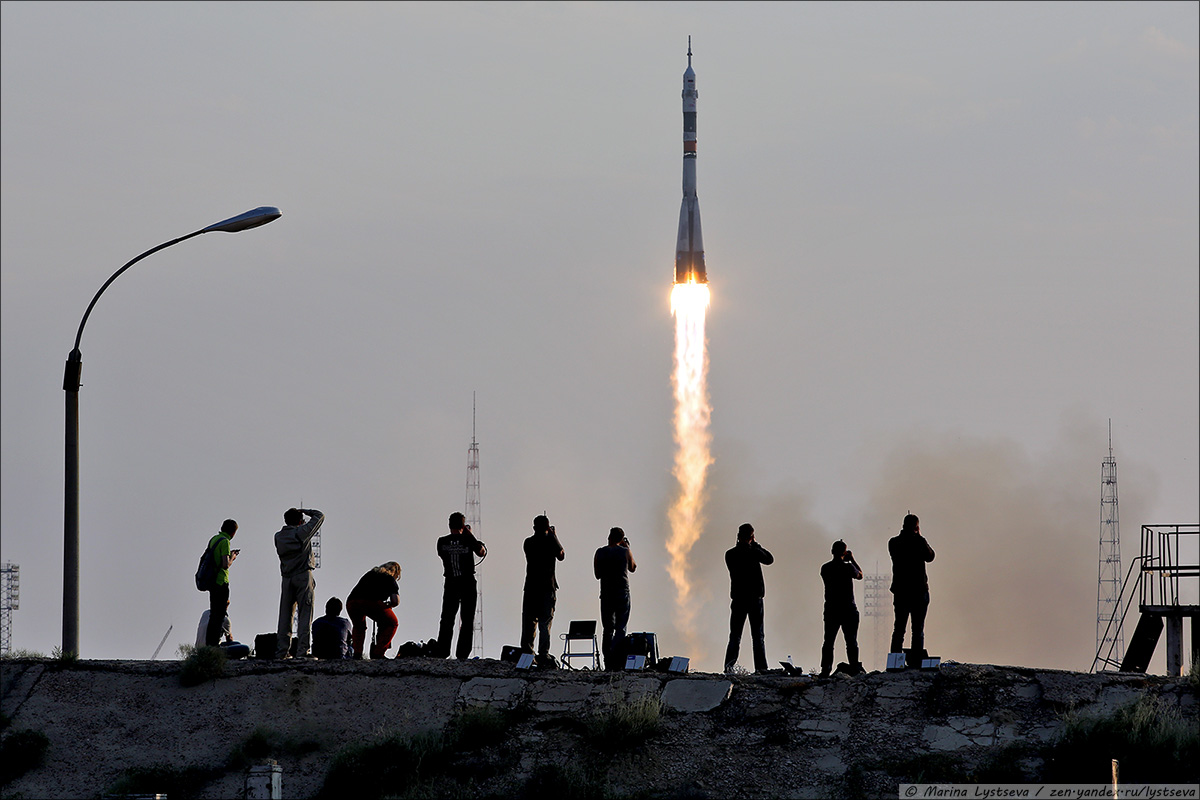
You can photograph a rocket launch at Baikonur during an organised visit to the cosmodrome. The 3-, 4- and 6-day programmes include access to watch the launch at Site 31. The starting point for planning a photography trip is the position you can use: a group viewing area, a professional camera location and the launch pad itself are different places.
Where can you photograph the launch?
Site 31 is the launch complex named in these programmes. Visitors watch and photograph the launch from the designated area for their group. The site number identifies the launch complex; it does not specify a camera-to-rocket distance or reserve a particular spot along the viewing area.
| Position | Photographic opportunity | Access in the listed programmes |
|---|---|---|
| Site 31 launch viewing area | The rocket lifting off, its flame and ascent, photographed from the group’s designated viewing area. | Included in all three programmes. The photography and filming permit is included too. |
| Hill near a viewing platform | Photographers in the foreground. The reported 0.5 km is measured from the viewing platform. | A professional position described in the photographer’s account; not listed as an included tour position. |
| Remote camera opposite the pad | A camera about 200 m away; its photographer remains 2 km away. | Special remote-camera placement, not a spectator position or included tour access. |
| Tracking equipment and lighting mast positions | Specialist foregrounds and elevated compositions. | Separately authorised professional positions, not included in the listed programmes. |
Marina Lystseva’s illustrated account of launch photography takes you behind the scenes of professional camera placement and remote shooting.
What does the photography permit cover?
The three programmes include an individual city pass, cosmodrome access and a separate permit for photography and filming. The organiser handles these arrangements as part of the trip. The briefing and approved itinerary determine where the group goes and what can be photographed there.
A camera-equipment list, other than phones, forms part of the document preparation. A request involving a tripod, several bodies or a remote setup belongs in that conversation before travel. For the application process, documents and journey to the meeting point, see how to visit Baikonur for a rocket launch.
Launch, rocket rollout or a wider photo story?
The launch in these programmes is planned for 24 March 2027. The trips meet at Kyzylorda Airport or Railway Station and include the return transfer to Baikonur. Extra days add different subjects around the shared launch day.
- 3 days · 23–25 March: arrival, launch day and departure. The programme includes the city museum, the crew leaving the hotel, Cosmonauts’ Alley, the crew’s report to the State Commission, Gagarin’s Start and launch viewing at Site 31.
- 4 days · 22–25 March: adds a cosmodrome excursion day, including the memorial museum, Buran exhibit, Gagarin’s and Korolev’s houses, Energia’s underground command post, Yubileyny Airfield and the Saturn measurement station. This broadens the story beyond the launch itself.
- 6 days · 20–25 March: adds the Soyuz rollout, rail transport and erection on 21 March, as well as Zenit facilities and a city excursion day. The rollout programme specifically includes the opportunity to enter a media viewing platform for that event.
The rollout is a separate sequence: the rocket leaves the assembly building horizontally on a transporter, travels by rail and is raised upright at the pad. It offers subjects that a launch-only visit does not include. The tour comparison table gives the dates and three hotel-package prices for each duration.
Preparing the camera for the view you will have
A telephoto lens and a wider lens answer different photographic questions. The first gives more room to frame the rocket itself; the second can keep people, the horizon and the scale of the scene in the photograph. Choose the framing around the actual viewing position rather than the apparent closeness of a professional remote-camera image.
Before the countdown, check battery charge, free card space, focus and the camera’s burst or video mode. Set the composition while the rocket is still on the pad, allowing space above it for ascent. A fixed wide view and a camera following the rocket will produce different sequences; changing lenses during lift-off costs time.
Daylight lift-off photographs and a night-time light trail also require different approaches. A long exposure records movement as a trail; it does not freeze the rocket. The confirmed launch time and light at the viewing area matter more than copying one shutter speed from another launch.
What to include in a photography enquiry
Open the request section of the chosen programme and say what you want to photograph: launch only, rocket rollout as well, or a wider story about the cosmodrome. Include your equipment and any specific access request. The guide can then discuss the actual viewing arrangements, equipment permissions and meeting details with you. The published programmes describe accompanied visits; they do not list a photography tutor or a taught photography workshop.